
Mini roulette rules strip the wheel down to twelve numbers, a single zero, and a tighter betting grid that changes how a table session feels from the first spin. For players in Australia who want a quicker table rhythm without leaving the casino floor, the smaller layout can be a practical choice, especially when you read the odds and bet types the way an operator would read a product dashboard. I have spent enough time in FP&A and sportsbook finance to know that wheel size is not just a novelty; it reshapes house edge, session length, and the way a lobby should present table options to a player who is busy as a weekend footy crowd.
How the wheel and table grid work
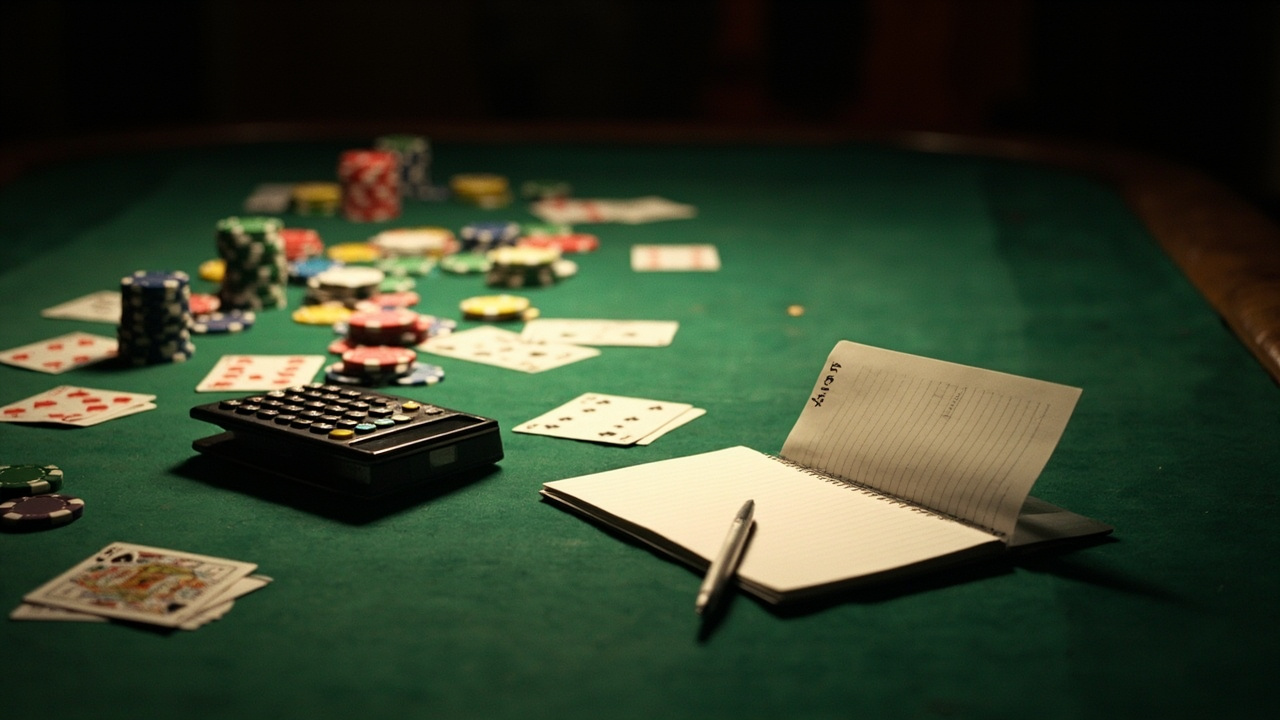
The wheel itself carries numbers one through twelve plus a single zero, which is the first thing worth checking before you place a chip. That smaller number pool means each individual number has a higher hit frequency than on a full European wheel, but the payout stays at 35 to one, so the maths still favours the house in the same direction, just with a different balance sheet shape. From an operator-side view, that is the kind of product decision that sits in the same mental bucket as adjusting a sportsbook market line: you are trading frequency for margin, and players who understand that will read the table more honestly.
The table layout mirrors the wheel, with inside bets on single numbers or small splits and outside bets on odd/even, red/black, and the dozen or column options that still work on a twelve-number wheel. Because there are fewer numbers, the outside bets cover a larger share of the wheel than they do on a thirty-seven-number layout, which changes how a session can swing over a short run. If you are comparing table options after reading about Roulette Mega Jackpot Entertainment For Australian Players, it helps to remember that jackpot-style promotions and a compact wheel are solving different player problems, not the same one. Roulette Mega Jackpot Entertainment For Australian
A practical way to read the grid is to treat the dozen and column bets as the anchor for a slower, steadier session, then use inside bets as the higher-variance add-on when you want a shorter, sharper arc. The zero still sits outside the even-money bets, so those outside wagers do not become true 50/50 propositions, and anyone building a session around that assumption is working from the wrong numbers.
| Key fact | Detail |
|---|---|
| Wheel numbers | 1-12 plus a single zero |
| Inside bet payout | 35 to 1 on a single number |
| Outside bet coverage | Larger share of the wheel than on a full layout |
| Session fit | Faster arcs, smaller bet ranges |
| Best read | Treat even-money bets as coverage, not certainty |
Reading the bets, payouts, and the maths behind them
Inside bets are the obvious focus for players who want a single number or a small cluster to land, and the payout structure is simple enough to check in a minute before you commit chips. A straight-up bet on one number pays 35 to 1, while a split, street, or corner bet covers two, three, or four numbers respectively and pays down from there. The smaller wheel means each of those coverage groups represents a bigger slice of the total numbers than it would on a standard table, which is useful to know if you are sizing bets by feel rather than by the actual coverage.
Outside bets are where the session rhythm usually lives, because odd/even, red/black, and the dozen or column options let you cover more of the wheel without chasing a single hit. The trade-off is that the zero still sits outside those even-money wagers, so the return is not a clean half of the wheel and the edge does not disappear just because the layout looks simpler. I would rather see a player treat those bets as coverage tools with a known cost than as a way to flatten variance into something it is not.
From a finance and product perspective, the interesting part is how the smaller wheel changes session design rather than pretending to change the underlying edge into something friendlier. A compact table can suit a shorter arvo session, a tighter bankroll plan, or a player who wants to make decisions faster without wading through a larger grid, but it does not turn the game into a different product on the maths alone. That distinction matters when you are comparing table options instead of assuming a smaller wheel automatically means a smaller cost per spin.
Ruby Williams, Strategy Director, Sunburnt Country Interactive, put it plainly when we discussed compact table formats: “A smaller wheel is not a softer edge, it is a different session shape, and players who read it that way tend to pace themselves better.” That is the kind of read I agree with, because it keeps the focus on how the game is actually used instead of dressing up a smaller layout as if it were a softer deal.
Who the smaller wheel suits and who should keep looking
Mini roulette rules tend to suit players who want a table session that moves quickly and stays within a narrower betting range, rather than players chasing long, slow arcs across a full wheel. If your preference is to make decisions fast, keep the grid readable, and play a shorter session without a lot of table noise, the compact layout has a genuine fit. It can also suit someone who is already comfortable with the basic outside bets and wants a cleaner view of how much of the wheel each wager actually covers.
It is less of a natural fit for players who want the wider spread of a full European wheel, or who are using table play as a slower, more measured part of a broader casino session. A smaller wheel is not a substitute for understanding the edge, and it is not the right call if you are looking for a layout that changes the maths into something more generous than it is. The useful question is less about whether the wheel is smaller and more about whether the session shape matches what you actually want from the hour.
For players in regional Queensland who might be playing after work or during a quiet stretch on a long weekend, the faster table rhythm can be a practical fit, especially when the lobby makes the table easy to find and the bet types easy to read without digging through a cluttered screen. A lobby that presents the table clearly, keeps the bet controls close to the grid, and does not bury the wheel behind a pile of secondary features is doing the product a favour, because mini roulette rules are simple enough that the presentation should stay simple too. playcrocobonuscodes.com
If you have played a compact wheel recently, what did you reckon worked better about it, and what would you change before recommending it to a mate?